
Introduction
If you’ve ever wanted to grow your own food but don’t have a backyard or garden, mushrooms are one of the best crops to start with. They’re low-maintenance, don’t need sunlight, and can grow indoors in small spaces. Plus, the satisfaction of harvesting your own fresh, organic mushrooms is unmatched. This guide will walk you through everything you need to know about growing mushrooms at home—from choosing the right type to harvesting your first crop.
Why Grow Mushrooms at Home?
-
Space-friendly: Unlike most plants, mushrooms thrive in dark, damp environments. A closet, basement, or even a small corner of your kitchen can work.
-
Nutrient-rich: Mushrooms are a source of protein, vitamins (B, D), and minerals like selenium and potassium.
-
Cost-effective: Store-bought mushrooms can be expensive. A single grow kit can produce multiple flushes, saving you money in the long run.
-
Eco-friendly: Home growing reduces plastic packaging and long supply chains.
Best Mushrooms for Beginners
Some mushrooms are easier to grow than others. Here are a few beginner-friendly options:
-
Oyster Mushrooms: Grow quickly, require minimal care, and adapt well to different substrates.
-
Button Mushrooms: Classic white mushrooms found in most kitchens.
-
Shiitake Mushrooms: Rich flavor and versatile in cooking, though they take a little longer to fruit.
What You’ll Need
-
Spores or Spawn: The starting point of your mushrooms. Spawn is easier for beginners since it’s pre-colonized.
-
Substrate: The material mushrooms grow on (straw, coffee grounds, sawdust).
-
Containers: Plastic tubs, bags, or even mason jars.
-
Humidity: Mushrooms need moisture, so a spray bottle or small humidifier helps.
Step-by-Step Growing Process
-
Prepare the Substrate
Sterilize your substrate (e.g., boil straw or pasteurize sawdust) to kill competing organisms. -
Inoculation
Mix the spawn with your substrate in a clean environment. -
Incubation
Place the mixture in a dark, warm space (70–80°F). Over 2–3 weeks, white mycelium will spread. -
Fruiting
Once fully colonized, move it to a cooler spot with light and higher humidity. Small pins (baby mushrooms) will appear. -
Harvesting
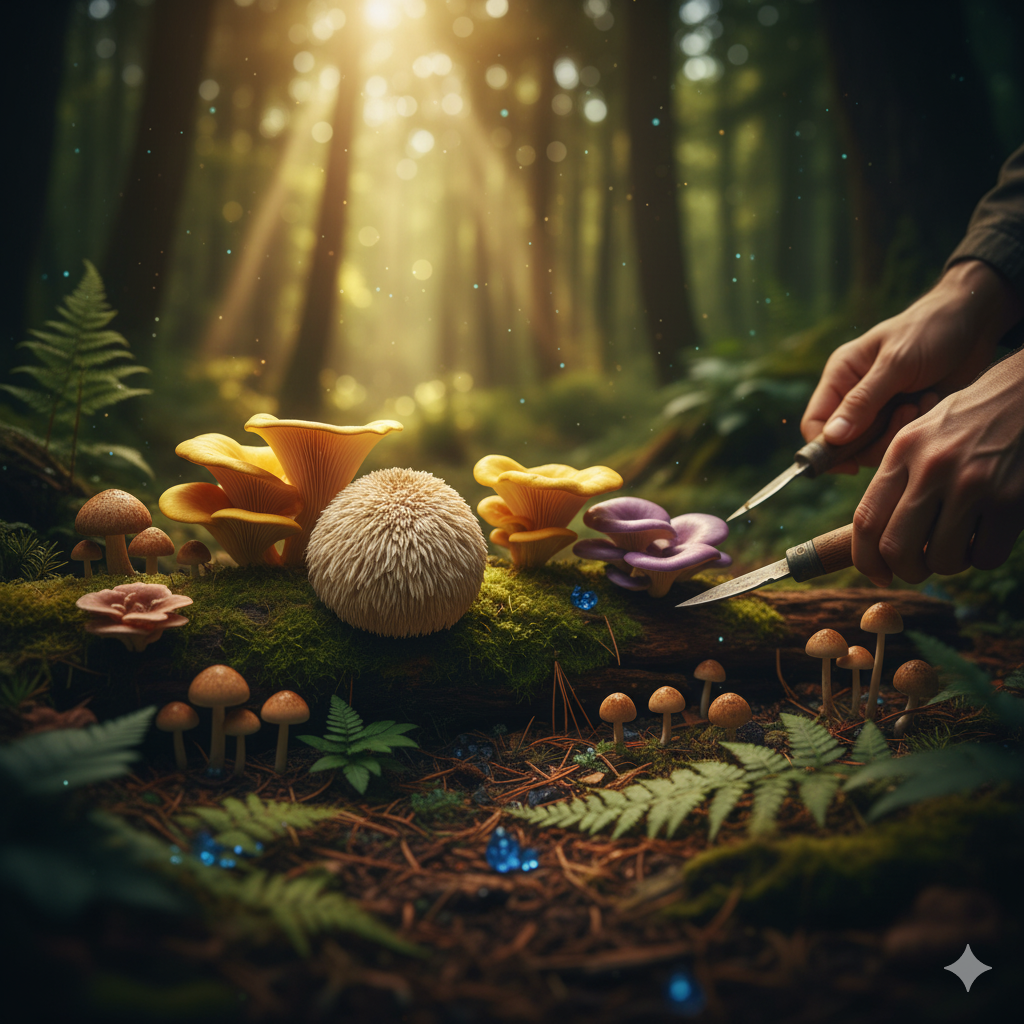
Cut mushrooms at the base once caps are fully formed but before they flatten.
Common Mistakes to Avoid
-
Using unsterilized substrate → leads to contamination.
-
Overwatering → causes mold growth.
-
Insufficient ventilation → mushrooms may not form properly.
Harvesting & Enjoying Your Mushrooms
Most mushroom kits or setups will yield multiple flushes. After harvesting, mist the substrate again and wait for new mushrooms to grow. Enjoy them fresh in your favorite recipes!
Conclusion
Growing mushrooms at home may seem intimidating, but once you get started, it’s incredibly rewarding. With just a few materials and some patience, you’ll be harvesting your own organic, delicious mushrooms in no time.
Share:
Health Benefits of Homegrown Mushrooms You Should Know